

Switching From Methadone to Suboxone in Asheville, NC
Switching from methadone to Suboxone in Asheville, NC, can help patients move toward a more flexible recovery plan under medical supervision. At Ascension Solutions Treatment, Dr. Jonathan Hall, MD, helps patients currently receiving methadone explore a safe transition to buprenorphine-based care. The process focuses on proper timing, withdrawal monitoring, comfort, and reducing the risk of precipitated withdrawal. With compassionate support, patients can take the next step toward stability, privacy, and long-term opioid recovery. For more information, contact us today or request an appointment online. We are conveniently located at 875 A Tunnel Rd, Asheville, NC 28805.

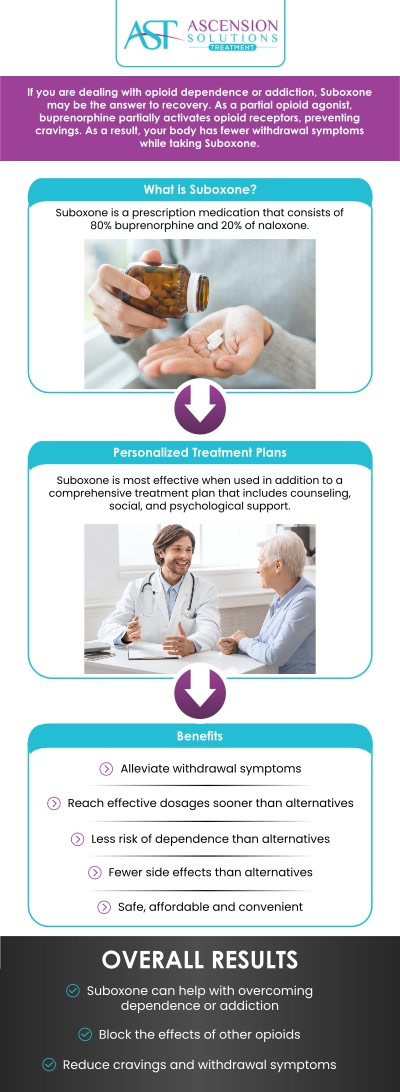
Table of Contents:
Why switch from methadone to Suboxone?
How does Suboxone differ from methadone?
What is the recommended timing for the switch?
How is the transition medically supervised?
Do patients need to stay on Suboxone indefinitely?
How Can Dr. Jonathan Hall, MD, Help You Switch From Methadone to Suboxone in Asheville, NC?
Many patients consider switching from methadone to Suboxone because they feel frustrated by the daily methadone clinic routine, frequent travel, long wait times, and the feeling that treatment controls their schedule. While methadone can be effective for opioid use disorder when provided through a licensed opioid treatment program, some patients eventually want a treatment option that offers more flexibility, privacy, and independence. A methadone to Suboxone transition may help patients move away from the daily clinic grind while still receiving medication-assisted treatment designed to reduce cravings, support withdrawal management, and lower relapse risk.
At Ascension Solutions Treatment in Asheville, NC, Dr. Jonathan Hall, MD, and the team help patients who are currently receiving methadone through another program explore whether transitioning to buprenorphine-based treatment, such as Suboxone, may be appropriate. The process is not rushed or handled the same way for every patient. Instead, the team reviews each person’s current treatment history, outside methadone dose information, withdrawal risk, medical background, recovery goals, and comfort level before creating a personalized plan for a safer transition to Suboxone.
Suboxone and methadone are both evidence-based medications used to treat opioid use disorder, but they work differently and are delivered through different care models. Methadone is a full opioid agonist and is typically provided through a licensed opioid treatment program, which may require frequent or daily visits, especially early in treatment. For some patients, that structure is helpful, but for others, it can become stressful, time-consuming, and difficult to maintain with work, family, transportation, or privacy concerns.
Suboxone contains buprenorphine and naloxone. Buprenorphine is a partial opioid agonist, meaning it activates opioid receptors in a more limited way, which can help reduce cravings and withdrawal symptoms when used as prescribed. Naloxone is included to discourage misuse. At Ascension Solutions Treatment, the focus is on buprenorphine-based care for patients who may be ready to move away from an outside methadone program. Patients searching for “methadone to Suboxone transition” or “how to switch to Sublocade” may also discuss whether long-acting injectable buprenorphine could be an option after they are stabilized on Suboxone.
The recommended timing for switching from methadone to Suboxone depends on the patient’s current methadone dose from their outside treatment program, length of treatment, withdrawal symptoms, overall health, and provider recommendations. This is one of the most important parts of the transition because starting Suboxone too soon after methadone can trigger uncomfortable precipitated withdrawal. Methadone stays in the body longer than many other opioids, so patients need careful medical guidance before beginning buprenorphine treatment.
At Ascension Solutions Treatment, Dr. Jonathan Hall, MD, and the team help patients understand when their body may be ready for Suboxone induction. The clinic’s approach focuses on comfort, safety, and reducing unnecessary distress during the switch. Patients are assessed for withdrawal signs, medication tolerance, and readiness before buprenorphine is started. The goal is to avoid rushing the process and to help patients transition from an outside methadone program to Suboxone as smoothly and safely as possible.
A medically supervised methadone to Suboxone transition begins with a detailed evaluation. Dr. Jonathan Hall, MD, reviews the patient’s current treatment history, methadone dose information from their outside program, opioid use history, medical conditions, mental health needs, current medications, and previous experiences with withdrawal or relapse. This helps the care team understand the safest way to begin the transition and reduce the risk of precipitated withdrawal.
At Ascension Solutions Treatment, the team uses a patient-centered approach to help make the process more comfortable. Dr. Hall and his team may guide patients through withdrawal monitoring, appropriate timing for Suboxone induction, follow-up visits, and medication adjustments after buprenorphine treatment begins. Patients are encouraged to communicate honestly about cravings, sleep issues, anxiety, discomfort, or relapse concerns. For patients tired of the daily methadone clinic grind, supervised Suboxone care can offer a more flexible path while prioritizing safety, dignity, and long-term recovery support.
Patients do not always need to stay on Suboxone indefinitely, but the length of treatment depends on each person’s recovery needs. Some patients use Suboxone as long-term maintenance because it helps them stay stable, avoid relapse, manage cravings, and rebuild their lives. Others may eventually work with their provider to taper when they are medically stable, emotionally ready, and supported by a strong recovery plan. There is no single timeline that works for everyone, and stopping too early may increase the risk of relapse for some patients.
At Ascension Solutions Treatment, Dr. Jonathan Hall, MD, and the team help patients make thoughtful decisions about the length of Suboxone treatment. The focus is not on forcing patients to stay on medication forever or rushing them off medication before they are ready. Instead, treatment is reviewed over time based on progress, cravings, relapse risk, mental health, daily stability, and personal goals. Patients interested in “how to switch to Sublocade” may also discuss whether long-acting injectable buprenorphine is appropriate after stabilization. Whether a patient remains on Suboxone, transitions to Sublocade, or eventually tapers, the plan should always be guided by medical supervision and long-term recovery safety.
Dr. Jonathan Hall, MD, at Ascension Solutions Treatment in Asheville, NC, helps patients who are currently taking methadone elsewhere explore whether transitioning to Suboxone may be a safer and more flexible option for their recovery goals. Many patients feel burdened by the daily methadone clinic routine, frequent visits, travel time, and lack of privacy. Dr. Hall provides a careful medical evaluation to understand your current treatment history, withdrawal concerns, cravings, overall health, and readiness for buprenorphine-based care.
The transition from methadone to Suboxone must be medically guided because starting Suboxone too early can cause uncomfortable withdrawal symptoms. At Ascension Solutions Treatment, the focus is on creating a personalized plan that supports comfort, safety, and long-term recovery. Dr. Hall and his team can help determine the appropriate timing, monitor symptoms, and guide patients through the Suboxone induction process with compassionate support in Asheville, NC. For more information, contact us today or request an appointment online. We are conveniently located at 875 A Tunnel Rd, Asheville, NC 28805. We serve patients from Asheville NC, Weaverville NC, Arden NC, Candler NC, Swannanoa NC, Woodfin NC, and the surrounding areas.

Read Our Latest Google Reviews



Additional Services You May Need
▸ Addiction
▸ Medication Assisted Treatment
▸ Suboxone Treatment
▸ Behavioural Therapy
▸ Detox
▸ Vivitrol
▸ Sublocade
▸ Buprenorphine
▸ Depression
▸ Anxiety Disorder
▸ Subutex
▸ Alcohol Detox
▸ Brixadi
▸ Regenerative Medicine
▸ Ozone Therapy
▸ Spravato Treatment
▸ Hormone Replacement Therapy


 Send Text
 How May I Help You?