

The Benefits of Long-Term Suboxone Maintenance Treatment
Long-term Suboxone maintenance treatment offers significant benefits for individuals recovering from opioid addiction. By reducing cravings and withdrawal symptoms, it provides stability, allowing patients to focus on their recovery journey. This approach helps prevent relapse, especially when combined with counseling and behavioral therapy. At Ascension Solutions Treatment, Dr. Jonathan Hall, MD, utilizes long-term Suboxone therapy to support lasting recovery, giving individuals the tools they need to regain control of their lives. For more information, contact us today or schedule an appointment online. We are conveniently located at 875 A Tunnel Rd, Asheville, NC 28805.
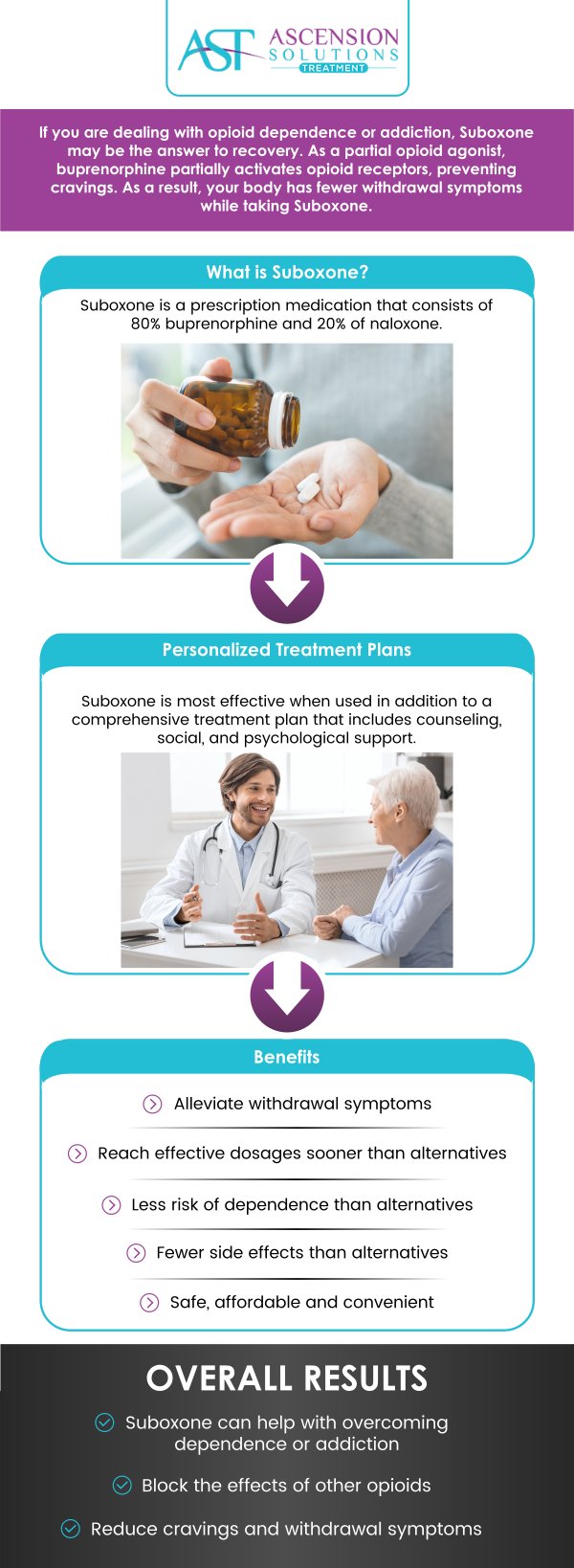
Table of Contents:
What is a proper Suboxone maintenance plan?
How long can I be on Suboxone?
Does everyone need a long-term Suboxone maintenance plan?
Does Suboxone reduce anxiety?
Why Long-Term Suboxone Treatment is Effective in Asheville, NC: Dr. Jonathan Hall, MD, at Ascension Solutions Treatment
A proper Suboxone maintenance plan is a carefully tailored approach to opioid addiction treatment, designed to help individuals manage their recovery over the long term. Suboxone, which combines buprenorphine and naloxone, works by reducing cravings and withdrawal symptoms without producing the high associated with opioids. A proper maintenance plan begins with an initial induction phase, where the patient starts on a low dose, gradually increasing to an effective level.
The maintenance phase is focused on stabilizing the patient’s physical and mental health, allowing them to function normally without the urge to use opioids. This phase can last for several months or even years, depending on the individual’s needs and progress. Regular visits to a healthcare provider like Dr. Jonathan Hall, MD, at Ascension Solutions Treatment, ensure that the dose is adjusted properly and that the patient’s recovery goals are being met. Counseling and therapy often accompany Suboxone treatment, addressing underlying issues such as trauma, mental health disorders, and behavioral patterns that contribute to addiction.
The overall goal of a proper Suboxone maintenance plan is to help patients regain control of their lives, build healthy habits, and eventually transition off the medication, if appropriate. However, the duration of the maintenance plan can vary from person to person based on individual circumstances, making it important to work closely with a provider to develop the right strategy.
The length of time a person can be on Suboxone varies depending on several factors, including the severity of their opioid addiction, their progress in recovery, and the recommendations of their healthcare provider. For some individuals, Suboxone treatment may last for several months, while others may require it for years to maintain stability and prevent relapse.
Dr. Jonathan Hall, MD, at Ascension Solutions Treatment in Asheville, NC, emphasizes that Suboxone is often used as a long-term solution for opioid addiction recovery. While the medication itself is not addictive in the way opioids are, it plays a crucial role in managing cravings and withdrawal symptoms, allowing individuals to focus on therapy and other recovery strategies.
The goal of Suboxone treatment is not necessarily to remain on the medication indefinitely but to help individuals transition to a drug-free life. However, some patients may benefit from staying on Suboxone for a longer period, especially if they have a history of relapse or underlying mental health conditions. The decision to taper off Suboxone should always be made collaboratively with a healthcare provider to ensure that it is done safely and effectively.
Not everyone requires a long-term Suboxone maintenance plan, as the treatment duration depends on individual needs and recovery progress. Some individuals may benefit from short-term Suboxone use, especially during the early stages of recovery, to help stabilize their condition and manage withdrawal symptoms. Afterward, they may transition to other forms of treatment or therapy.
However, for many individuals, especially those with chronic opioid dependence or who have experienced multiple relapses, a long-term maintenance plan may be necessary. Dr. Jonathan Hall, MD, at Ascension Solutions Treatment, takes a personalized approach to addiction recovery. This includes evaluating each patient’s progress and determining whether long-term Suboxone treatment is beneficial for their recovery.
Long-term Suboxone maintenance can help individuals maintain stability and prevent relapse, especially when combined with behavioral therapy and counseling. It’s important to remember that addiction is a chronic condition, and recovery can be a lifelong process. Suboxone treatment, when managed properly, can play a significant role in supporting long-term recovery, but it is not the only solution. A comprehensive treatment plan that includes therapy, support groups, and lifestyle changes is essential for success.
Suboxone can have an indirect effect on anxiety by stabilizing the brain’s opioid receptors and reducing the cravings and withdrawal symptoms associated with opioid addiction. Many individuals with opioid use disorder also experience anxiety as a result of withdrawal, which can make the recovery process more challenging. By managing these symptoms, Suboxone can help alleviate the anxiety that often accompanies early recovery.
However, Suboxone is not specifically prescribed to treat anxiety disorders, and it does not work in the same way as medications designed for anxiety. For individuals experiencing significant anxiety alongside opioid dependence, it’s important to address both issues in a comprehensive treatment plan. Dr. Jonathan Hall, MD, at Ascension Solutions Treatment, often recommends therapy or counseling to help manage anxiety, alongside Suboxone treatment for opioid dependence.
In some cases, individuals may feel less anxious as they stabilize on Suboxone, as the medication helps restore a sense of normalcy and well-being. However, it’s crucial to work with a healthcare provider to monitor both the physical and mental health aspects of recovery and to ensure that any anxiety or mental health issues are properly managed.
Long-term Suboxone treatment has proven to be an effective option for individuals in Asheville, NC, dealing with opioid addiction. Dr. Jonathan Hall, MD, at Ascension Solutions Treatment, understands the importance of stability during the recovery process and utilizes Suboxone as part of a comprehensive treatment plan. By managing withdrawal symptoms and cravings, Suboxone helps individuals stay on track with their recovery goals and prevents relapse.
The success of long-term Suboxone treatment lies in its ability to stabilize brain chemistry while allowing individuals to focus on behavioral therapy and lifestyle changes. Dr. Hall combines this medication with counseling, therapy, and other addiction management strategies to address the root causes of addiction, ensuring that recovery is both sustainable and holistic.
Dr. Hall’s approach is patient-centered, understanding that each individual’s recovery journey is unique. By offering long-term Suboxone treatment, Ascension Solutions Treatment helps individuals in Asheville, NC, regain control of their lives and move toward a future free from opioid addiction. For more information, contact us today or schedule an appointment online. We are conveniently located at 875 A Tunnel Rd, Asheville, NC 28805. We serve patients from Asheville NC, Weaverville NC, Arden NC, Candler NC, Swannanoa NC, Woodfin NC, and the surrounding areas.

Read Our Latest Google Reviews



Additional Services You May Need
▸ Addiction
▸ Medication Assisted Treatment
▸ Suboxone Treatment
▸ Behavioural Therapy
▸ Detox
▸ Vivitrol
▸ Sublocade
▸ Buprenorphine
▸ Depression
▸ Anxiety Disorder
▸ Subutex
▸ Alcohol Detox
▸ Brixadi
▸ Regenerative Medicine
▸ Ozone Therapy
▸ Spravato Treatment
▸ Hormone Replacement Therapy


 Send Text
 How May I Help You?