
What Is Addiction?
Addiction is a chronic brain disease, not a moral failing or lack of willpower. At Ascension Solutions Treatment Clinic in Asheville, NC, we witness how prolonged substance use rewires the brain, creating an uncontrollable urge to use despite severe consequences. Under the professional guidance of Dr. Jonathan Hall, we offer evidence-based care and compassionate support to help heal the brain and achieve lasting recovery. For more information, contact us today or schedule an appointment online. We are conveniently located at 875 A Tunnel Rd, Asheville, NC 28805.
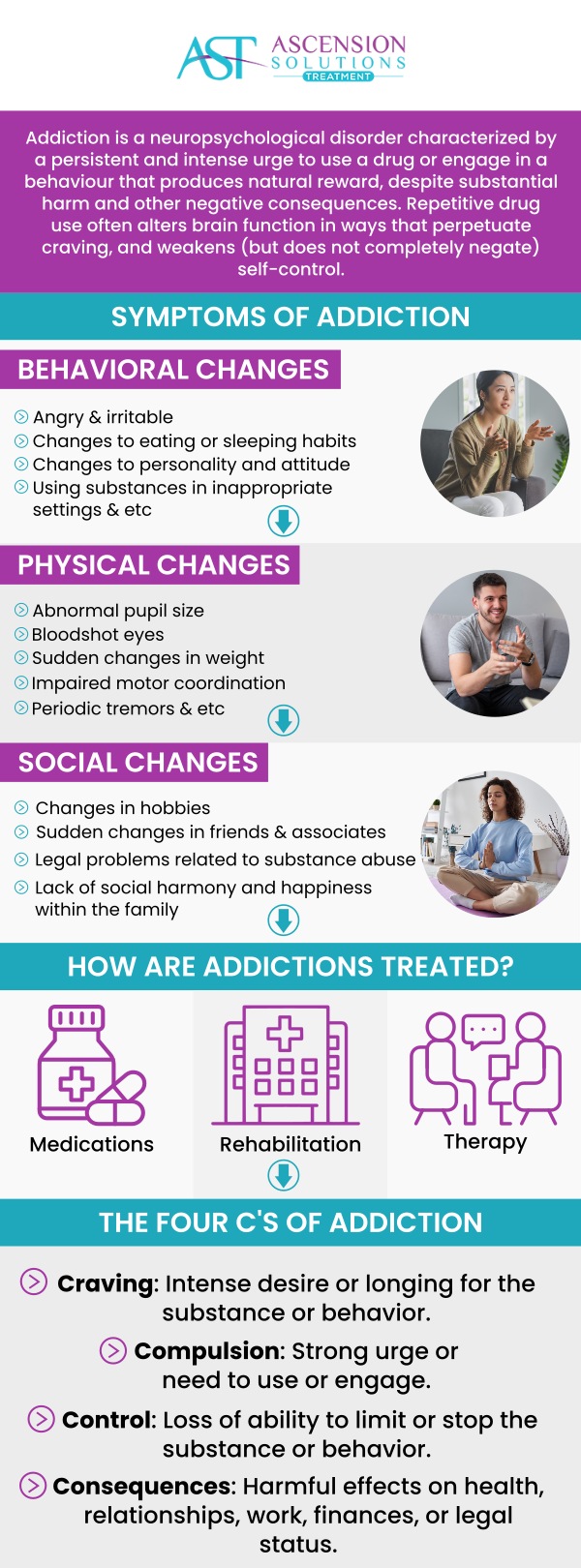
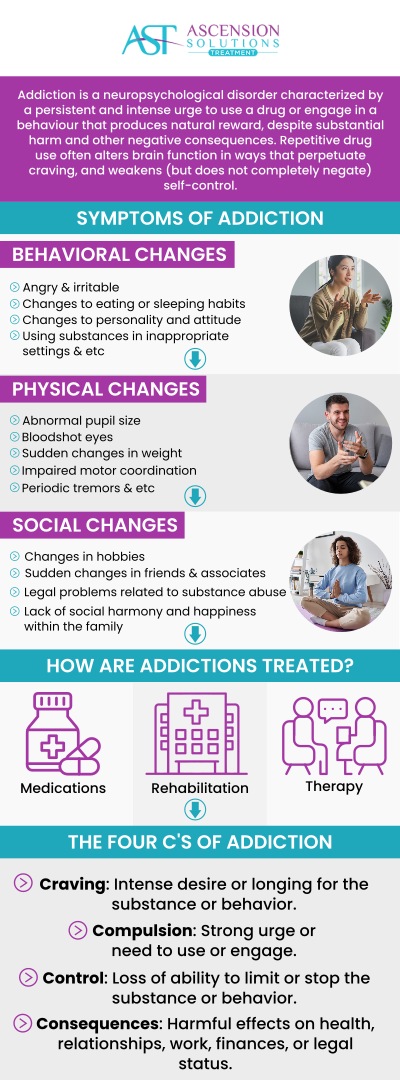
Table of Contents:
How does addiction develop in the human brain?
Why do people with an addiction need more and more of a substance over time?
Why is addiction considered a chronic disease rather than a lack of willpower?
What is the difference between physical dependence and addiction?
Can you be dependent on a substance without having an addiction?
What are the different types of substances that can lead to addiction?
What makes some people develop an addiction while others can use substances casually?
What are the typical stages of developing an addiction?
Why is relapse considered a normal part of the addiction recovery process?
How do co-occurring mental health disorders complicate an addiction?
Take the First Step Toward Recovery with Dr. Jonathan Hall at Ascension Solutions
Addiction develops when a substance or behavior overstimulates the brain’s reward system. Normally, the brain releases dopamine as a reward for activities like eating or socializing. However, substances such as drugs and alcohol release much larger amounts, leading to intense pleasure. Over time, the brain becomes reliant on these substances to feel good, making it harder for the individual to experience pleasure from normal activities. As the brain continues to adapt, tolerance develops, meaning more of the substance is needed to achieve the same effect. Eventually, the brain rewires itself, making it harder to stop using the substance, leading to addiction.
People with addiction require increasing amounts of a substance due to tolerance. As the brain becomes accustomed to the substance, it requires more to achieve the same effect. This happens because the brain reduces its natural dopamine production in response to the drug’s presence. Ascension Solutions Treatment Clinic, under the care of Dr. Jonathan Hall, MD, helps patients manage and understand the effects of tolerance, working with them to find the right approach to recovery.
Addiction is considered a chronic disease because it physically alters the brain’s structure and chemistry, especially in areas that control decision-making, behavior, and reward. These changes make it difficult for individuals to stop using substances, even if they want to. It’s not a matter of willpower but rather about the brain’s rewiring.
Physical dependence occurs when the body becomes reliant on a substance, and withdrawal symptoms occur when the substance is stopped. Addiction, however, involves compulsive use of the substance despite its negative effects. Addiction includes physical dependence but also includes the emotional and psychological aspects, where the individual loses control over their use.
Yes, it is possible to be physically dependent on a substance without being addicted to it. For example, individuals who use prescription medications like opioids for pain management may develop physical dependence. However, addiction involves compulsive use and the inability to stop despite harm.
Various substances can lead to addiction, including alcohol, prescription medications (e.g., opioids, benzodiazepines, stimulants), illicit drugs, and nicotine. Behavioral addictions, such as gambling or internet use, can also trigger similar effects in the brain, leading to compulsive behaviors.
Addiction risk is influenced by genetics, environment, and mental health. Those with a family history of addiction may be more vulnerable, and individuals with stress or trauma may use substances to cope, which increases the risk. On the other hand, people without these predispositions may be able to use substances casually without developing an addiction.
Addiction generally progresses in stages: experimentation, regular use, risky use, dependence, and finally addiction. Early intervention can help prevent addiction from developing further. Dr. Jonathan Hall, MD, at Ascension Solutions Treatment Clinic, helps patients understand where they are in their addiction journey and provides the necessary support to address each stage, working to prevent the progression of addiction.
Relapse is often part of the recovery process because addiction is a chronic, ongoing condition. Recovery is not linear, and setbacks can provide valuable learning experiences. Dr. Jonathan Hall, MD, and the team at Ascension Solutions Treatment Clinic emphasize that relapse is an opportunity to reassess recovery strategies and strengthen coping mechanisms, rather than a failure. Understanding relapse helps individuals build a more resilient approach to recovery.
Mental health disorders such as anxiety, depression, or PTSD often co-occur with addiction. These disorders may cause individuals to self-medicate with substances, which only worsens both conditions. This creates a cycle where substance use exacerbates mental health symptoms, and vice versa, making it more difficult to break free from addiction. Effective treatment requires addressing both the addiction and the underlying mental health issues simultaneously for a successful recovery.
Addiction can feel overwhelming, but with the right support, recovery is possible. Dr. Jonathan Hall, MD, and the compassionate team at Ascension Solutions Treatment Clinic in Asheville, NC, offer personalized, evidence-based care to guide you or your loved one on the path to healing. Whether you’re struggling with substance use or co-occurring mental health conditions, we are here to help. Take the first step toward lasting recovery today. For more information, contact us today or schedule an appointment online. We are conveniently located at 875 A Tunnel Rd, Asheville, NC 28805. We serve patients from Asheville NC, Weaverville NC, Arden NC, Candler NC, Swannanoa NC, Woodfin NC, and the surrounding areas.

Read Our Latest Google Reviews



Additional Services You May Need
▸ Addiction
▸ Medication Assisted Treatment
▸ Suboxone Treatment
▸ Behavioural Therapy
▸ Detox
▸ Vivitrol
▸ Sublocade
▸ Buprenorphine
▸ Depression
▸ Anxiety Disorder
▸ Subutex
▸ Alcohol Detox
▸ Brixadi
▸ Regenerative Medicine
▸ Ozone Therapy


 Send Text
 How May I Help You?