
How to Help a Loved One with Addiction: Encouraging Positive Change and Healing Together
Supporting a loved one with addiction can be challenging, but it’s a crucial step toward their healing. Encouraging positive change begins with open, non-judgmental communication, expressing concern, and offering help. It’s important to set boundaries and avoid enabling behaviors while encouraging them to seek professional support. Dr. Jonathan Hall and the team at Ascension Solutions Treatment Clinic are here to guide you through this difficult journey, offering care for both you and your loved one. For more information, contact us or book an appointment online. We are conveniently located at 3780 Holcomb Bridge Road Suite D2, Peachtree Corners, GA 30092.
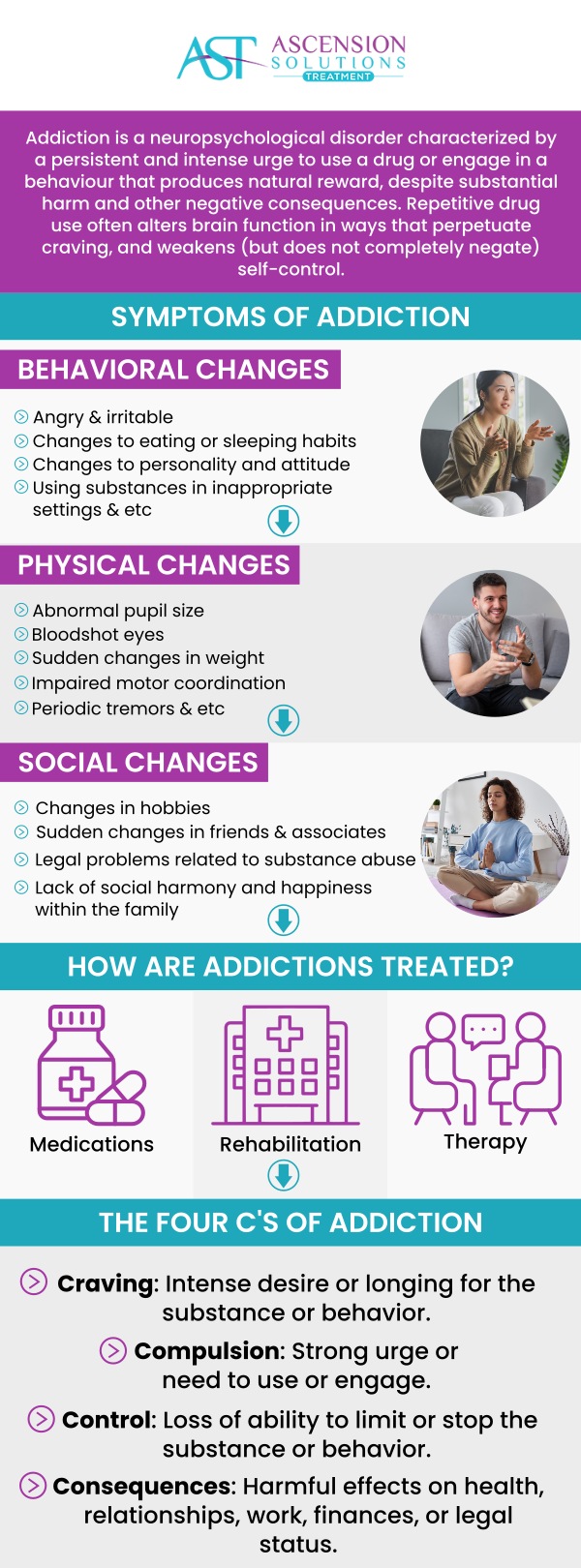
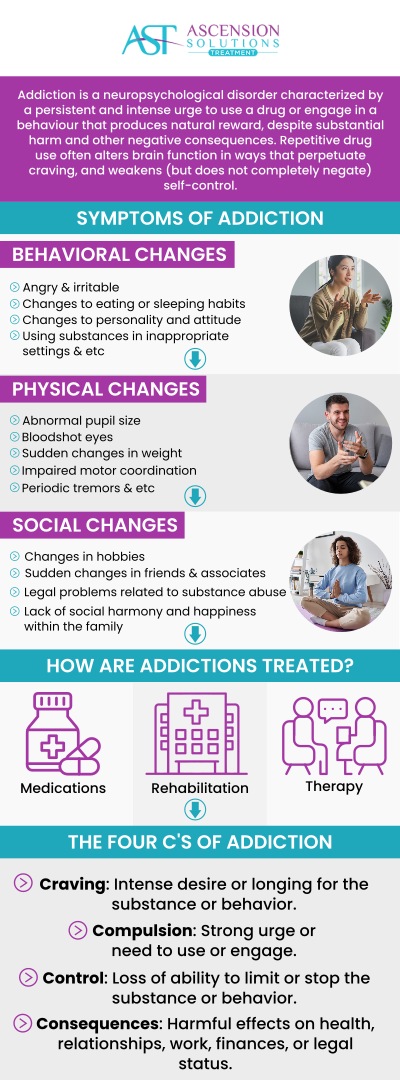
Table of Contents:
What are the signs that my loved one may need professional help for addiction?
How can I help a loved one who is struggling with addiction?
Can I force my loved one into addiction treatment?
What types of treatments are available for addiction?
What do I do if they completely refuse to get help for their addiction?
What if my loved one relapses?
How can I take care of myself while supporting a loved one with addiction?
Recognizing that a loved one may need professional help for addiction can be challenging, especially because addiction often manifests in subtle ways. However, there are several signs to look for that can indicate a person may need professional treatment. One of the most common indicators is a change in behavior. A person struggling with addiction may begin to prioritize substance use over responsibilities, such as work, school, or family obligations. They may engage in risky behaviors, such as driving under the influence or neglecting personal hygiene. Emotional or psychological changes can also be a sign, including mood swings, irritability, and secretive behavior. Financial problems and legal issues may arise as the individual tries to obtain the substance.
Other physical signs include withdrawal symptoms when the substance is not available, or a build-up of tolerance, requiring more of the substance to achieve the same effect. If your loved one exhibits any of these signs, it could be an indication that they are struggling with addiction and may need professional treatment to help them address the issue.
Supporting a loved one with addiction can be difficult, but offering compassion and understanding is key. The first step is to express your concern in a non-judgmental way. Let them know that you care about them and that you’re concerned about their well-being. It’s important to avoid enabling their behavior by covering up or making excuses for their substance use. Instead, encourage them to seek help and provide them with information about treatment options.
It’s also important to educate yourself about addiction so you can better understand what your loved one is going through. This will help you approach the situation with empathy and patience. Consider reaching out to a professional to help guide the conversation and provide resources for treatment. Ascension Solutions Treatment Clinic, led by Dr. Jonathan Hall, offers a variety of treatment programs that may be beneficial to your loved one, including detox and medication-assisted treatment.
While it can be frustrating to see a loved one struggle with addiction, it’s important to recognize that treatment can only be effective if the individual is willing to participate. In most cases, a person cannot be forced into treatment unless they are a danger to themselves or others, in which case involuntary commitment may be an option through legal channels. However, coercion or force is unlikely to lead to lasting recovery.
Instead, consider holding an intervention, where friends and family members gather to express their concerns in a structured, compassionate way. A trained interventionist can help facilitate this process, which can encourage the person to seek help voluntarily. It’s important to set clear boundaries and offer a treatment plan, while letting your loved one know that you are there to support them. Dr. Jonathan Hall and the team at Ascension Solutions Treatment Clinic can assist with both interventions and guide families through the process of getting their loved one the help they need.
There are several types of addiction treatments available, and the right approach for your loved one depends on their specific needs and the severity of their addiction. One common option is outpatient treatment, where individuals visit a clinic for treatment but continue living at home. Medication-assisted treatment (MAT), such as Suboxone, is frequently used for opioid addiction to manage withdrawal symptoms and cravings. This can be combined with counseling and therapy to create a more comprehensive recovery plan. Cognitive-behavioral therapy (CBT) is also effective in addressing the psychological aspects of addiction.
Ascension Solutions Treatment Clinic, led by Dr. Jonathan Hall, offers a range of treatment options, including outpatient programs, MAT, and therapies tailored to each patient’s unique needs. This personalized approach significantly enhances the chances of achieving lasting recovery.
It can be heartbreaking when a loved one refuses to get help for their addiction, but there are still steps you can take. First, it’s important to recognize that addiction is a disease, and the individual may not be ready to acknowledge it or may be in denial. While you can’t force someone to seek treatment, you can still set healthy boundaries. Make it clear that you love them and want to help, but also explain the consequences of continuing down the path of addiction.
At this point, it may be helpful to involve a professional who can offer advice on how to approach the situation. Sometimes, hearing concerns from a neutral third party can help the person see the need for treatment. Consider also attending support groups for families where you can receive guidance on how to support your loved one while maintaining your own well-being.
Relapse is often a part of the addiction recovery process and should not be seen as a failure. Addiction is a chronic disease, and recovery is a long-term journey. If your loved one relapses, it’s important to remain supportive and not to judge them. A relapse can indicate that their treatment plan needs to be adjusted or that they need additional support.
Encourage them to reach out to their treatment team immediately to assess what changes need to be made in their recovery plan. You can help by offering emotional support and understanding while also reminding them that relapse does not erase the progress they’ve made. Dr. Jonathan Hall and the team at Ascension Solutions Treatment Clinic offer comprehensive relapse prevention strategies and ongoing support to help individuals maintain their recovery.
Supporting a loved one with addiction can be emotionally and physically draining. It’s important to prioritize your own well-being during this process. Set clear boundaries to avoid enabling their behavior, and remember that you can’t control their recovery. Take time to engage in self-care activities that help you recharge, such as exercise, meditation, or spending time with supportive friends and family.
Consider seeking support for yourself through therapy or support groups where you can connect with others who are in similar situations. Caring for yourself ensures that you are in the best position to help your loved one when they are ready to seek treatment. Ascension Solutions Treatment Clinic understands the challenges of supporting a loved one with addiction and offers resources for families to ensure everyone receives the care and support they need.
Supporting a loved one through addiction can be one of the most difficult experiences, but with the right knowledge and support, you can help them on their journey to recovery. Dr. Jonathan Hall and the team at Ascension Solutions Treatment Clinic are here to guide you through every step, offering compassionate care for both patients and their families. Whether you’re looking for treatment options or guidance through challenging moments, we are here to help. For more information, contact us or book an appointment online. We are conveniently located at 3780 Holcomb Bridge Road Suite D2, Peachtree Corners, GA 30092. We serve patients from Peachtree Corners GA, Roswell GA, Johns Creek GA, Alpharetta GA, Dunwoody GA, Duluth GA, Norcross GA, and the surrounding Metro Atlanta areas.

Read Our Latest Google Reviews



Additional Services You May Need
▸ Addiction
▸ Medication Assisted Treatment
▸ Suboxone Treatment
▸ Behavioural Therapy
▸ Detox
▸ Vivitrol
▸ Sublocade
▸ Buprenorphine
▸ Depression
▸ Anxiety Disorder
▸ Subutex
▸ Alcohol Detox
▸ Brixadi
▸ Regenerative Medicine
▸ Ozone Therapy
▸ Spravato Treatment
▸ Hormone Replacement Therapy


 Send Text
 How May I Help You?