

FAQs About Addiction
Addiction FAQs are often the first step in navigating the complexities of substance use and recovery. At Ascension Solutions Treatment, led by Dr. Jonathan Hall, MD, our compassionate teams in Peachtree Corners, GA, provide clear, evidence-based answers. From early warning signs to dual diagnosis care and medical detox, we’re here to support your healing journey. For more information, contact us or book an appointment online. We are conveniently located at 3780 Holcomb Bridge Road Suite D2, Peachtree Corners, GA 30092.
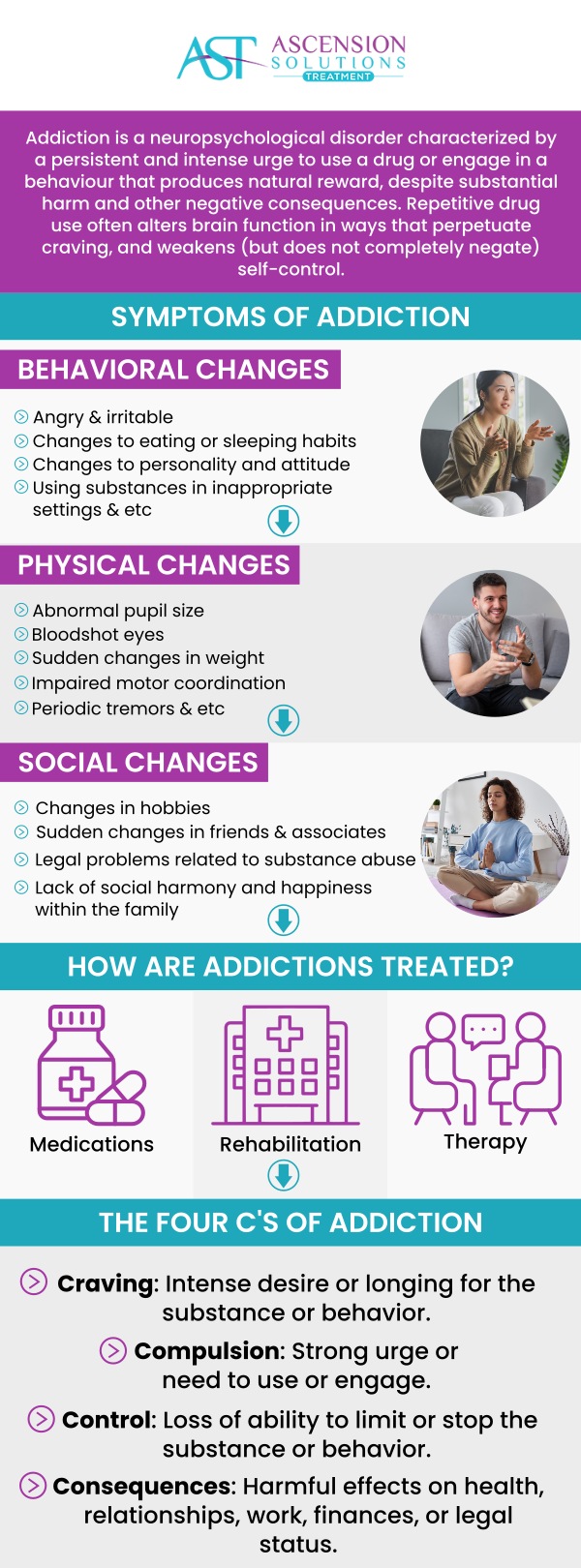
Table of Contents:
What are the main causes and risk factors for developing an addiction?
How does addiction physically change the human brain?
Is there a genetic component that makes someone prone to addiction?
What are the most common early warning signs of drug or alcohol addiction?
How can I tell if my own substance use has turned into an addiction?
What are the behavioral changes associated with a process addiction?
Can someone have a mental health disorder co-occurring with an addiction?
How long do substances stay in the system of someone struggling with an addiction?
Does health insurance typically cover the cost of addiction treatment?
What happens during the medical detox phase of addiction recovery?
Can addiction be completely cured, or is it a lifelong disease?
How can I talk to a family member about their struggle with addiction?
What are the most common types of addiction?
How do I find the right addiction treatment center in Peachtree Corners, GA?
At Ascension Solutions Treatment Clinic, we know that facing addiction—whether it is your own or a loved one’s—can feel overwhelming. We are here to provide clear, compassionate, and medically sound answers to help you navigate this complex journey.
Addiction is influenced by various factors, including genetics, environment, and personal experiences. A family history of addiction can increase the risk, as genetic factors may predispose individuals to substance use. Environmental factors like peer pressure, childhood trauma, and availability of substances also play a role. Mental health issues such as anxiety or depression can lead people to use substances as a form of self-medication, further increasing the risk of addiction. Dr. Jonathan Hall, MD, at Ascension Solutions Treatment Clinic, helps patients understand these complex factors in their recovery journey.
Addiction changes the brain’s chemistry by affecting areas related to reward, motivation, and memory. Substances alter neurotransmitter levels, especially dopamine, which is responsible for feelings of pleasure and reward. Over time, the brain becomes reliant on the substance, leading to tolerance and withdrawal symptoms when not used. These changes can impair decision-making and emotional regulation, making it harder for individuals to quit even when they want to.
Yes, genetics can play a significant role in addiction. Studies have shown that individuals with a family history of addiction are more likely to develop one themselves. Certain genes may affect how a person responds to drugs or alcohol, influencing their risk of addiction. However, environmental and behavioral factors also contribute, meaning that genetics is just one part of the overall picture. Ascension Solutions Treatment Clinic, led by Dr. Jonathan Hall, MD, provides personalized treatment plans that take into account these genetic predispositions.
Early warning signs of addiction include frequent cravings, inability to control substance use, neglecting responsibilities, and isolating from friends and family. Individuals may also begin to neglect personal hygiene, experience mood swings, or engage in risky behaviors. Denial is common at this stage, making it difficult for individuals to recognize that their behavior is becoming problematic.
If your substance use is interfering with daily life, affecting your relationships, or causing health problems, it may have evolved into an addiction. You may find yourself unable to control or stop using, even if you want to. Other signs include using substances in larger amounts over time, needing more of the substance to achieve the same effect, and experiencing withdrawal symptoms when not using.
Process addictions, like gambling or compulsive eating, involve engaging in behaviors that provide temporary pleasure, leading to a cycle of dependency. Behavioral changes include obsessive thoughts about the behavior, difficulty controlling impulses, and engaging in the behavior despite negative consequences. Individuals may become secretive, withdraw from social interactions, and experience guilt or shame, but continue the behavior anyway.
Yes, many individuals struggling with addiction also have co-occurring mental health disorders, such as anxiety, depression, or PTSD. This combination is known as a dual diagnosis. Treating both conditions simultaneously is important for successful recovery, as untreated mental health issues can contribute to ongoing substance use and relapse. Dr. Jonathan Hall, MD, at Ascension Solutions Treatment Clinic, specializes in addressing both addiction and co-occurring mental health disorders through integrated treatment plans.
The length of time substances stay in the body depends on the type of substance used, the person’s metabolism, and how long they’ve been using them. Alcohol can be detected in the system for up to 24 hours, while marijuana may stay in the system for several days to weeks. Opioids, benzodiazepines, and cocaine typically remain in the system for a few days to a week. However, chronic use can cause substances to accumulate and stay longer.
Health insurance coverage for addiction treatment varies depending on the provider and plan. Many insurance plans, including those under the Affordable Care Act (ACA), offer coverage for addiction treatment. It’s important to check with your insurance provider to determine the specifics of your coverage, including deductibles, copays, and any limitations on the types of treatment available. Ascension Solutions Treatment Clinic works with various insurance providers to ensure patients have access to essential addiction treatment services.
During medical detox, the body is cleared of substances, and withdrawal symptoms are managed under medical supervision. This phase can be uncomfortable and potentially dangerous, depending on the substance used. Medical professionals monitor the patient’s vitals, administer medications to ease withdrawal symptoms, and provide support throughout the process. Detox is an essential first step before beginning therapy or other treatments in recovery. At Ascension Solutions Treatment Clinic, Dr. Jonathan Hall, MD, oversees the medical detox process to ensure a safe and effective transition into recovery.
Addiction is generally considered a chronic condition that requires ongoing management. While it may not be “cured” in the traditional sense, many people can achieve long-term recovery with the right treatment and support. Maintaining recovery is often a lifelong process that requires continued effort and coping strategies to prevent relapse.
Approaching a family member about addiction can be challenging. It’s important to approach the conversation with compassion, empathy, and without judgment. Choose a time when both of you are calm and open to discussion. Express concern rather than anger, and encourage them to seek professional help. Be patient, as individuals with addiction may not be ready to acknowledge their problem right away.
The most common types of addiction include substance addictions such as alcohol, cocaine, heroin, and prescription medications. Process addictions, such as gambling, shopping, and internet use, are also prevalent. Food addiction, sex addiction, and exercise addiction are additional types of process addictions that can significantly impact a person’s life.
To find the right addiction treatment center in Peachtree Corners, GA, consider factors such as the center’s treatment approach, location, staff credentials, and patient reviews. It’s important to choose a center that offers a personalized treatment plan tailored to the individual’s needs. Ascension Solutions Treatment Clinic, led by Dr. Jonathan Hall, MD, provides customized care in Peachtree Corners to offer comprehensive addiction recovery services.
Healing from addiction is a deeply personal journey, but you never have to navigate it alone. At Ascension Solutions Treatment Clinic, our dedicated team in Peachtree Corners, GA, is committed to supporting you or your loved one every step of the way. Whether you are ready to begin treatment, need more information about our specific recovery programs, or simply want to discuss your options with Dr. Jonathan Hall and our compassionate staff, we are here to listen without judgment. Reach out to us today to take that vital first step toward a healthier, substance-free life. For more information, contact us or book an appointment online. We are conveniently located at 3780 Holcomb Bridge Road Suite D2, Peachtree Corners, GA 30092. We serve patients from Peachtree Corners GA, Roswell GA, Johns Creek GA, Alpharetta GA, Dunwoody GA, Duluth GA, Norcross GA, and the surrounding Metro Atlanta areas.

Read Our Latest Google Reviews



Additional Services You May Need
▸ Addiction
▸ Medication Assisted Treatment
▸ Suboxone Treatment
▸ Behavioural Therapy
▸ Detox
▸ Vivitrol
▸ Sublocade
▸ Buprenorphine
▸ Depression
▸ Anxiety Disorder
▸ Subutex
▸ Alcohol Detox
▸ Brixadi
▸ Regenerative Medicine
▸ Ozone Therapy
▸ Spravato Treatment
▸ Hormone Replacement Therapy


 Send Text
 How May I Help You?